
Islamic Marriage Separation & Divorce Proceedings in Chennai

Expert Legal Guidance Under Muslim Personal Law
Islamic marriage separation, also known as dissolution of marriage under Muslim personal law, is a process recognized under both Islamic jurisprudence and the Indian legal system. Unlike civil divorce, it follows specific principles and procedures rooted in Sharia law while complying with applicable Indian statutory requirements.
This comprehensive guide explains how Islamic marriage separation works in Chennai, covering the different forms of dissolution, legal rights and obligations, and when court intervention becomes necessary under Tamil Nadu family law.
Understanding Islamic Marriage as a Legal Contract
In Islam, marriage (Nikah) is considered a civil contract with clearly defined rights and responsibilities for both spouses. This contractual nature means that Islamic law provides structured methods to dissolve the marriage when the relationship becomes untenable, protecting the dignity, justice, and fairness of all parties involved.
What is Islamic Marriage Separation/Dissolution?
Islamic marriage separation refers to the formal termination of a Muslim marriage through methods recognized under Muslim personal law. This dissolution may be:
- Initiated by the husband (Talaq)
- Initiated by the wife (Khula)
- Mutually agreed upon (Mubarat)
- Granted by a court (Faskh)
Each method carries distinct procedural requirements and legal consequences, particularly regarding Mahr (dower), maintenance, and post-separation rights. Understanding which form applies to your specific situation is crucial for protecting your legal interests.
Different Forms of Islamic Marriage Dissolution
TALAQ (Husband-Initiated Dissolution)
Important Legal Points:
- Talaq must follow the proper procedure with reasonable intervals between pronouncements.
- Instant triple talaq (Talaq-e-Biddat) is illegal and punishable under the Muslim Women (Protection of Rights on Marriage) Act, 2019.
- Proper documentation and notice to the wife are legally required.
- The wife’s rights to maintenance and fair settlement must be protected.
- Improper pronouncement of talaq can lead to legal consequences, including criminal charges under current Indian law.
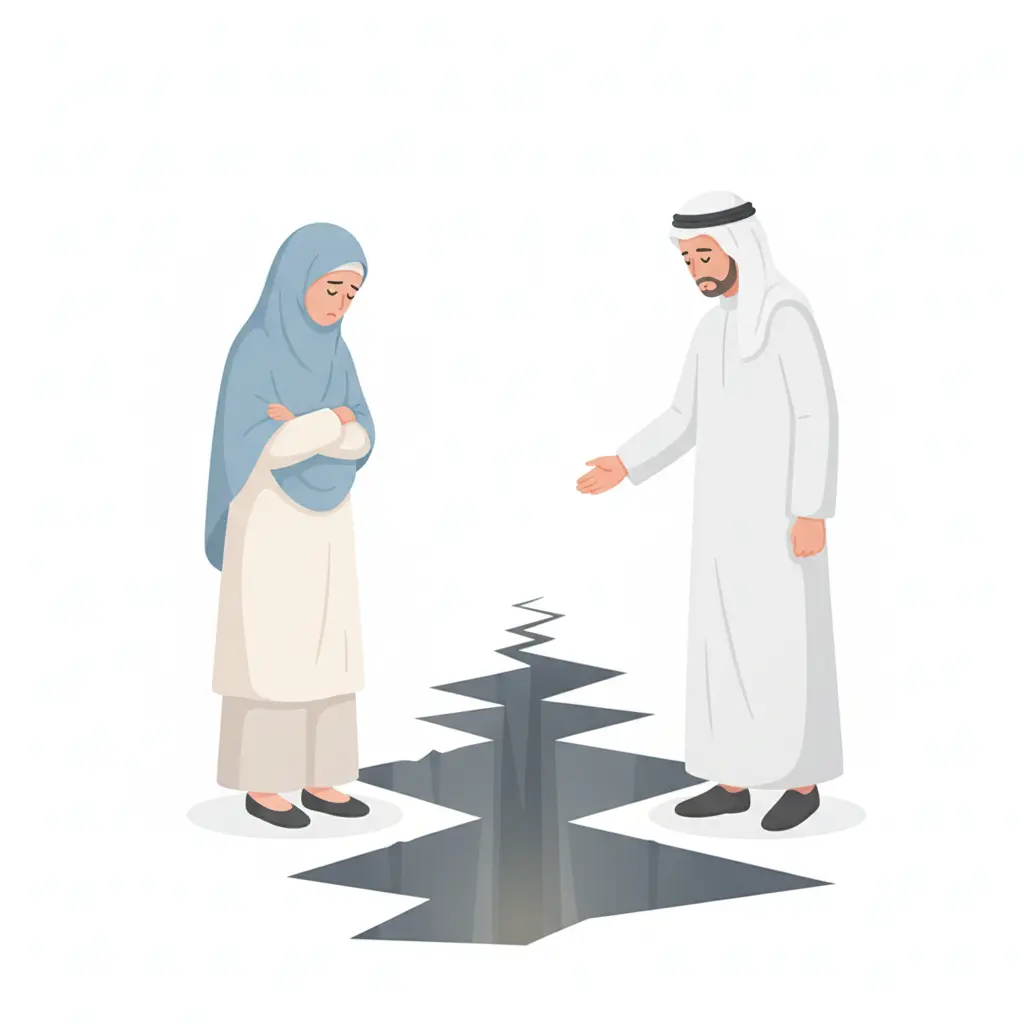

KHULA (Wife-Initiated Dissolution)
Important Legal Aspects:
- Wife initiates the request for dissolution.
- Traditionally requires husband’s consent, but courts can intervene if consent is unreasonably withheld.
- Financial terms must be clearly recorded and agreed upon.
- Also available under judicial provisions of the Dissolution of Muslim Marriages Act, 1939.
- Khula protects a woman’s right to exit an incompatible or oppressive marriage while maintaining her dignity under Islamic law.
MUBARAT (Mutual Separation)
Mubarat occurs when both husband and wife mutually agree to dissolve their marriage.
Important Legal Features:
- Requires mutual consent without assigning blame.
- Typically involves less conflict and quicker resolution.
- Includes agreed financial settlement terms.
- Often the most amicable form of Islamic separation.
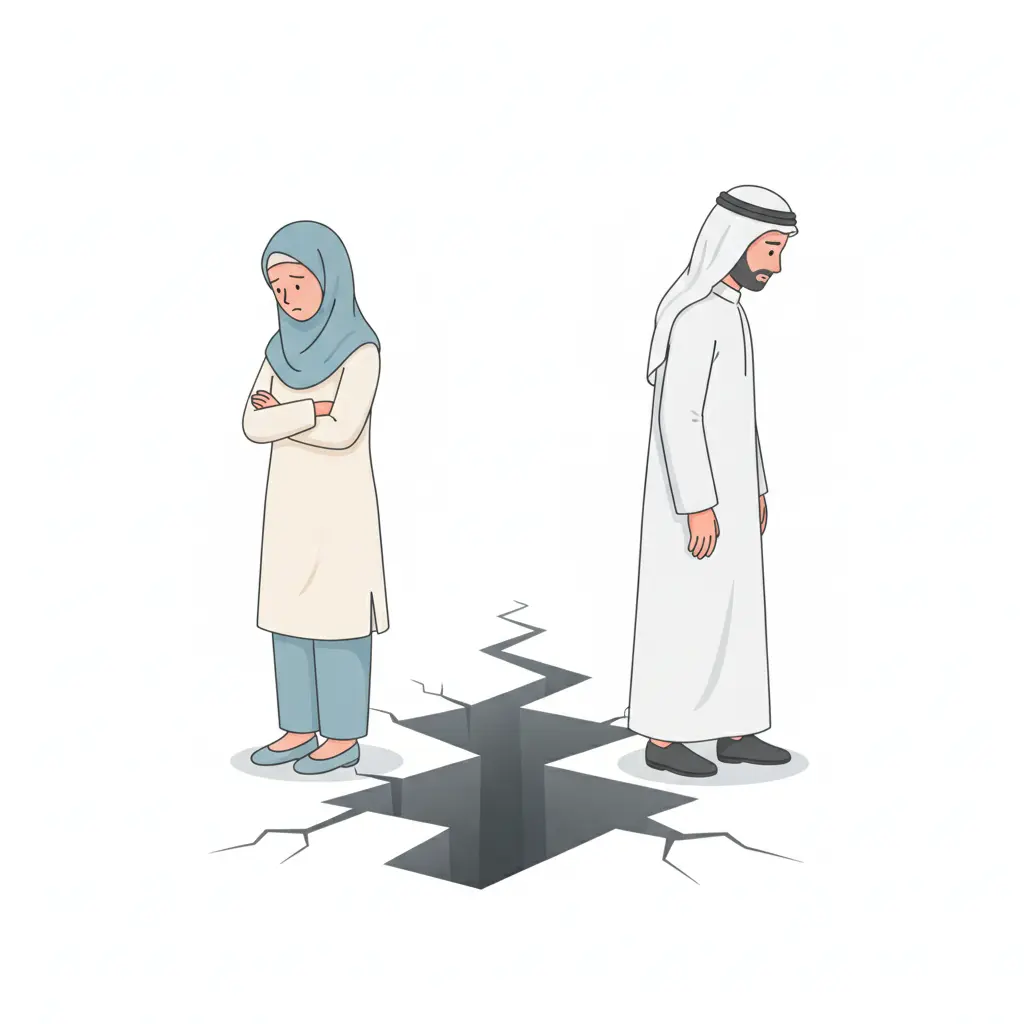
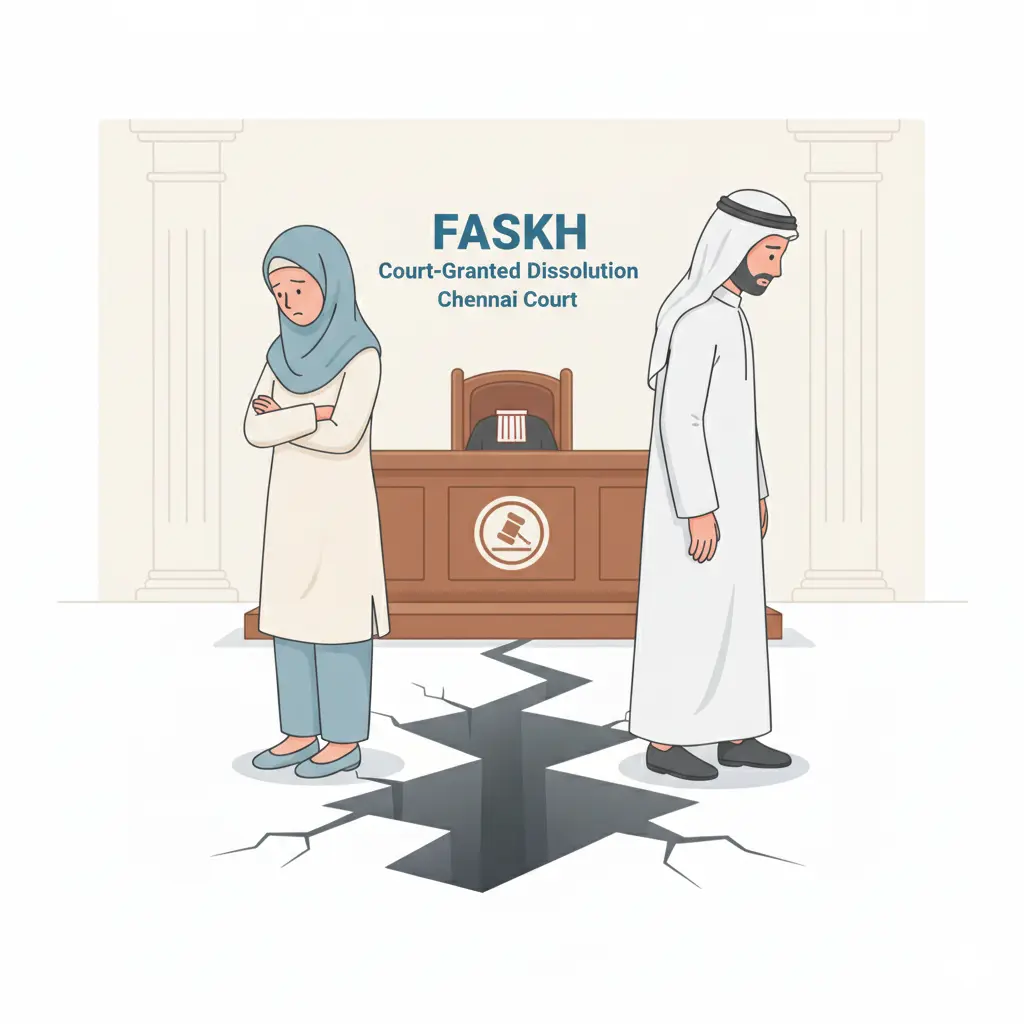
FASKH (Court-Granted Dissolution)
Faskh is a dissolution granted by a court when a wife establishes valid legal grounds.
Important Legal Grounds Include:
- Cruelty or harassment (physical or mental).
- Desertion for four years or more.
- Failure to provide maintenance for two years.
- Husband’s disappearance for four years.
- Husband’s imprisonment for seven years or more.
- Impotence or serious misconduct.
- Husband’s apostasy from Islam.}
This form ensures judicial protection when mutual resolution fails or is impossible.
Islamic Separation vs. Civil Divorce: Key Differences
|
ASPECT
|
ISLAMIC SEPARATION
|
CIVIL DIVORCE
|
|---|---|---|
|
Governing Law
|
Muslim Personal Law (Sharia)
|
Statutory law (Hindu Marriage Act, Special Marriage Act)
|
|
Primary Framework
|
Religious + Legal principles
|
Purely Legal framework
|
|
Key Procedures
|
Talaq, Khula, Mubarat, Faskh
|
Court petitions under specific grounds (cruelty, adultery, desertion, etc.)
|
|
Financial Aspects
|
Mahr mandatory, maintenance during the Iddat period
|
Alimony, maintenance as per court order
|
|
Enforcement
|
May require court intervention for legal recognition
|
Directly enforceable through courts
|
|
Timeframe
|
Can be quicker if mutual
|
Typically involves court timelines
|
Important Legal Note: For any dissolution to be fully legally recognized in India for purposes like remarriage or official records, many individuals obtain both an Islamic dissolution and a civil court decree.
When Court Involvement Becomes Necessary
Court intervention is typically required when:
- The separation is disputed by either party
- Rights to maintenance, Maar, or property are denied
- Child custody arrangements cannot be agreed upon
- Documentation or procedure is legally challenged
- Enforcement of settlement terms is needed
Family courts in Chennai ensure fairness, legality, and enforceability of separation agreements.
Rights of the Wife During Islamic Marriage Separation
Islamic law and Indian courts protect several crucial rights for women:
FINANCIAL RIGHTS:
- Mahr entitlement (prompt and deferred portions)
- Maintenance during the Iddat period (approximately three menstrual cycles)
- Potential claim for maintenance beyond Iddat under Section 125 of CrPC
- Return of personal property and gifts
LEGAL PROTECTIONS:
- Protection against harassment and cruelty
- Right to seek judicial intervention for dissolution
- Right to legal representation
- Custody rights for young children (Hizanat)
Important Legal Note: False assumptions about Islamic law often deprive women of rightful claims—professional legal guidance ensures all entitlements are protected.
Rights of the Husband During Islamic Marriage Separation
The husband also maintains certain rights under Islamic and Indian law:
PROCEDURAL RIGHTS:
- Recognition of lawful talaq procedures
- Protection against false allegations and misuse of legal provisions
- Right to fair settlement consideration
- Legal representation in disputes
PRACTICAL CONSIDERATIONS:
- Reasonable access to children (if custody is granted to the mother)
- Protection of separate property rights
- Fair division of marital assets (where applicable)
Balanced legal guidance helps protect legitimate interests while avoiding unnecessary conflict.
Child Custody Principles in Islamic Separation
Custody decisions prioritise the child’s welfare above all else:
Islamic Principles (Hizanat):
- Mother generally has custody of sons until age 7 and daughters until puberty
- Father remains guardian (Wali) and provides maintenance
- Custody may revert to the father after these ages, subject to the child’s best interests
Indian Legal Framework:
- The child’s welfare is the paramount consideration under the Guardians and Wards Act, 1890
- Courts consider emotional, educational, and developmental needs
- Neither parent’s rights are absolute; courts decide based on the circumstances
- The child’s preferences may be considered if the child is of sufficient age and maturity
Religious principles do not override the child’s best interests under Indian family law.
Maintenance, Mahr, and Financial Settlements
Financial aspects are often central to separation proceedings and require careful attention:
MAHR (Dower):
- Mandatory payment from husband to wife, enforceable by law
- Consists of “prompt” (payable immediately) and “deferred” (payable on dissolution) portions
- Courts can order payment as a debt if withheld
Maintenance Obligations:
- During Iddat: Husband must provide maintenance
- After Iddat: Wife may claim maintenance under Section 125 CrPC if unable to maintain herself
- Child maintenance continues until adulthood or self-sufficiency
Financial Settlements:
- Clear documentation prevents future disputes
- Courts may intervene if agreements are unfair or violated
- Each case depends on specific facts, not assumptions
Common Reasons for Seeking Islamic Marriage Separation
Based on common cases we handle, typical reasons include:
- Fundamental marital incompatibility
- Emotional, verbal, or physical abuse/harassment
- Extramarital relationships or infidelity
- Financial neglect or irresponsible spending
- Prolonged separation without reconciliation
- Excessive interference by in-laws or relatives
- Substance abuse or addiction issues
- Religious or cultural value conflicts
In some cases, misunderstandings can be resolved through counselling before proceeding with formal separation.
Protection Against False Allegations
Indian courts recognise the potential for misuse of legal provisions. Both spouses are entitled to protection against:
- False maintenance claims
- Fabricated harassment or cruelty allegations
- Misuse of legal processes for harassment
- Baseless criminal complaints
Proper legal advice helps respond appropriately while maintaining lawful conduct throughout proceedings.
Legal Process for Islamic Dissolution in Chennai
Navigating the dissolution process in Chennai involves understanding local procedures:
Initial Steps:
- Consultation with a legal expert to understand options and implications
- Attempt reconciliation through family, elders, or mediation where possible
- Document preparation, including marriage certificate, Mehr agreement, and relevant proofs
Available Forums:
- Qazi / Islamic scholars for religious dissolution procedures
- Family courts for legal recognition and enforcement
- Legal notices when formal communication is required
- Proper documentation, which is essential for both religious and legal processes
Choosing the correct forum depends on whether the parties agree on dissolution terms and whether court enforcement is required.
How Legal Prime Assists in Islamic Marriage Separation
Navigating Islamic marriage dissolution requires expertise in both personal law and statutory procedures. At Legal Prime, we provide:
Comprehensive Legal Assessment:
- Explain all applicable forms of dissolution for your situation
- Assess legal grounds and prospects objectively
- Clarify rights, obligations, and potential outcomes
Procedural Guidance & Documentation:
- Guide you through lawful procedures step by step
- Prepare and review all necessary documentation
- Ensure compliance with both Islamic and Indian legal requirements
Representation & Support:
- Represent clients before family courts when required
- Liaise with Qazis and religious authorities as needed
- Handle negotiations for fair settlements
Balanced Approach:
- Encourage reconciliation where appropriate and possible
- Adopt a justice-oriented rather than adversarial approach
- Maintain sensitivity to religious and cultural considerations
Local Understanding Matters: Chennai Context
Chennai’s long-established Muslim community has specific practices and judicial expectations. Our familiarity with:
- Chennai family court procedures and precedents
- Local documentation standards and requirements
- Qazi procedures and community practices
- Tamil Nadu-specific legal processes and timelines
Helps prevent avoidable delays and ensures your case proceeds efficiently through appropriate channels.
FAQ
1. Is instant triple talaq still practiced or recognized?
2. Can a wife seek divorce without her husband's consent?
3. Is Mahr compulsory after separation?
4. Does Islamic separation require court approval?
5. Can NRIs seek Islamic marriage dissolution in Chennai?
6. How long does the Iddat period last?
7. Can child custody be decided outside of court?
8. What happens if my spouse refuses to grant Khula?
9. Is mediation required before seeking dissolution?
10. How long does the entire process typically take?
Take the Next Step: Professional Legal Guidance
Islamic marriage separation involves significant legal, financial, and personal considerations with long-term implications. Whether you’re contemplating dissolution or responding to separation initiated by your spouse, understanding your rights and obligations under both Islamic and Indian law is crucial for making informed decisions.
Call
+91 9080048245, +91 9080775358
Email id
legalprime22@gmail.com
Address
21/62, Vinayagapuram 1st Main Road, MMDA Colony, Arumbakkam, Chennai - 600 106